Mastering Authentic Aesthetics with Paper Textures Stamp Brushes
In an era where digital design dominates our visual landscape, there is a growing paradox: the more polished and pixel-perfect our screens become, the more we crave the imperfections of the physical world. This desire for tactile authenticity has transformed how designers, marketers, and content creators approach their work. It is no longer enough to simply arrange elements on a clean white canvas; audiences now respond to depth, grain, and the subtle irregularities that suggest a human touch. This is where Paper Textures Stamp Brushes have become an indispensable tool in the modern creative workflow, bridging the gap between sterile digital precision and organic warmth.
The shift toward textured design is not merely a fleeting aesthetic trend but a reflection of changing user expectations. As consumers become increasingly desensitized to slick, corporate-style graphics, they gravitate toward visuals that feel grounded and relatable. Whether you are a freelancer designing a brand identity, an educator creating engaging lesson materials, or a blogger looking to elevate your social media presence, incorporating paper textures can significantly enhance the perceived value and emotional resonance of your work. The ability to create a paper texture effect in a few clicks removes the traditional barriers of time and technical complexity, allowing creators to focus on storytelling rather than tedious manual editing.
The Evolution of Digital Texture in Modern Workflows
Historically, adding realistic paper grain to a digital project was a labor-intensive process. Designers had to source high-resolution stock images, carefully mask them, adjust blending modes, and manipulate opacity levels to ensure the texture looked integrated rather than slapped on. This process required a keen eye for detail and a significant investment of time. Today, however, the workflow has evolved. With advanced brush engines in software like Adobe Photoshop and Procreate, textures can be applied dynamically, offering control and flexibility that static images cannot match.
This evolution aligns with broader market preferences for efficiency without sacrificing quality. Professionals and hobbyists alike are seeking tools that streamline their processes. The introduction of specialized stamp brushes represents a maturation in digital art resources. These tools are designed for users who understand that authenticity lies in the details. By using Paper Textures Stamp Brushes, creators can instantly introduce variations in tone, fiber, and wear that mimic real-world materials. This capability is particularly relevant in industries such as publishing, packaging design, and boutique marketing, where the "handcrafted" look is often a key selling point.
Practical Implications for Creators and Businesses
For entrepreneurs and small business owners, the visual identity of a brand is crucial. A logo or promotional graphic that incorporates subtle paper textures can convey values of sustainability, craftsmanship, and attention to detail. Consider a local coffee shop launching a new seasonal menu. Instead of a standard digital flyer, using a textured background can evoke the feeling of a handwritten note or a printed pamphlet, creating a warmer connection with the customer. Similarly, educators can use these textures to make digital worksheets feel less like tests and more like interactive journals, potentially increasing student engagement.
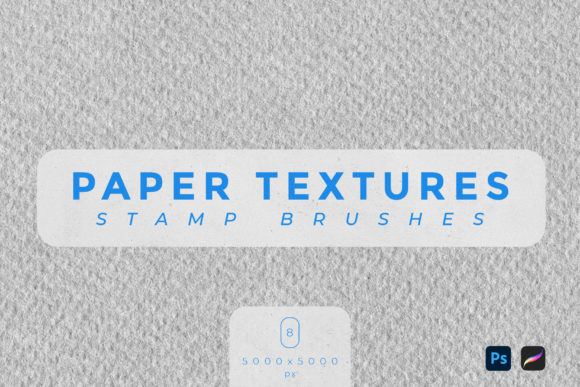
The practical benefits extend beyond aesthetics to usability. When you have access to a curated set of high-quality brushes, you eliminate the need to search through endless stock photo libraries for the right grain. This consistency is vital for maintaining a cohesive brand voice across multiple platforms. Whether you are designing an Instagram post, a website banner, or a printed brochure, having a reliable set of tools ensures that your visual language remains uniform. The 8 stamp paper brushes included in this collection offer a variety of tones and structures, from crisp, clean cotton papers to aged, weathered parchment, providing the versatility needed for diverse projects.
Technical Precision and Creative Freedom
One of the most significant advantages of using stamp brushes over static overlays is the level of control they offer. Each brush in this set is crafted at a high resolution of 5000x5000 px. This dimension is critical for professional work, ensuring that the texture remains sharp and detailed even when scaled up for large-format prints or high-density displays. Low-resolution textures often appear pixelated or muddy when enlarged, breaking the illusion of realism. By starting with such high-quality assets, creators can work with confidence, knowing their final output will meet professional standards.
The compatibility of these files with both Adobe Photoshop and Procreate addresses the needs of a wide range of users. Photoshop remains the industry standard for desktop-based graphic design, offering robust layer management and editing capabilities. Procreate, on the other hand, has revolutionized mobile creativity, allowing artists to work intuitively on iPads. By providing files in both .ABR and .Brushset formats, this resource ensures that whether you are working at a desk or on the go, you have access to the same high-quality tools. This cross-platform flexibility supports the modern hybrid workflow, where creators often switch between devices depending on their location and the nature of the task.
How to Integrate Paper Textures into Your Projects
To maximize the impact of these brushes, it is essential to understand how they interact with other design elements. Here are some practical recommendations for integrating paper textures effectively:
- Layering for Depth: Do not limit yourself to a single layer. Try stacking different paper brushes with varying opacities to create a complex, multi-dimensional surface. This technique mimics the way light interacts with real paper fibers.
- Contrast and Legibility: While textures add character, they should never compromise readability. Use lighter paper textures behind dark text, or vice versa. If the texture is too busy, consider reducing its opacity or applying a slight blur to soften the grain.
- Contextual Relevance: Choose the right type of paper for the message. A rough, recycled paper texture might suit an eco-friendly brand, while a smooth, creamy linen texture could be better for a luxury wedding invitation. The 8 stamp paper brushes provided offer this range, allowing you to match the material to the mood.
- Combining with Other Elements: Paper textures work exceptionally well when combined with hand-drawn illustrations, typography, and photographic elements. They act as a unifying base that ties disparate elements together, creating a cohesive composition.
It is also worth noting that these brushes are not just for background use. They can be used to add texture to specific elements, such as giving a digital sticker a paper-cutout look or adding aging effects to a vintage-style poster. The versatility of stamp brushes allows for experimental approaches, encouraging creators to push beyond conventional design boundaries.
The Future of Tactile Digital Design
As technology continues to advance, the line between digital and physical media will likely continue to blur. We are already seeing this in the rise of augmented reality and haptic feedback interfaces. In this context, the skill of creating realistic digital textures becomes increasingly valuable. It is not just about making things look old or rustic; it is about understanding how humans perceive materiality and translating that into the digital realm.
For professionals, staying ahead of this curve means adopting tools that facilitate this translation efficiently. The Paper Textures Stamp Brushes represent a step in that direction, offering a quick and effective way to inject humanity into digital designs. As audiences become more sophisticated, their ability to distinguish between lazy design and thoughtful composition will grow. Tools that enable genuine artistic expression, rather than just automated effects, will remain in high demand.
In conclusion, the integration of paper textures into digital workflows is a powerful strategy for enhancing visual communication. It responds to a deep-seated human preference for the tangible and the authentic. By leveraging high-quality resources like these 8 stamp paper brushes, creators can produce work that stands out in a crowded digital space. Whether you are using Adobe Photoshop for complex composites or Procreate for intuitive sketching, these tools provide the foundation for creating designs that are not only visually appealing but also emotionally resonant. The ability to create a paper texture effect in a few clicks is not just a convenience; it is an empowerment of creative intent, allowing you to focus on what matters most: connecting with your audience.